





How the choice of region affects speed, risks, and costs in import and export operations.
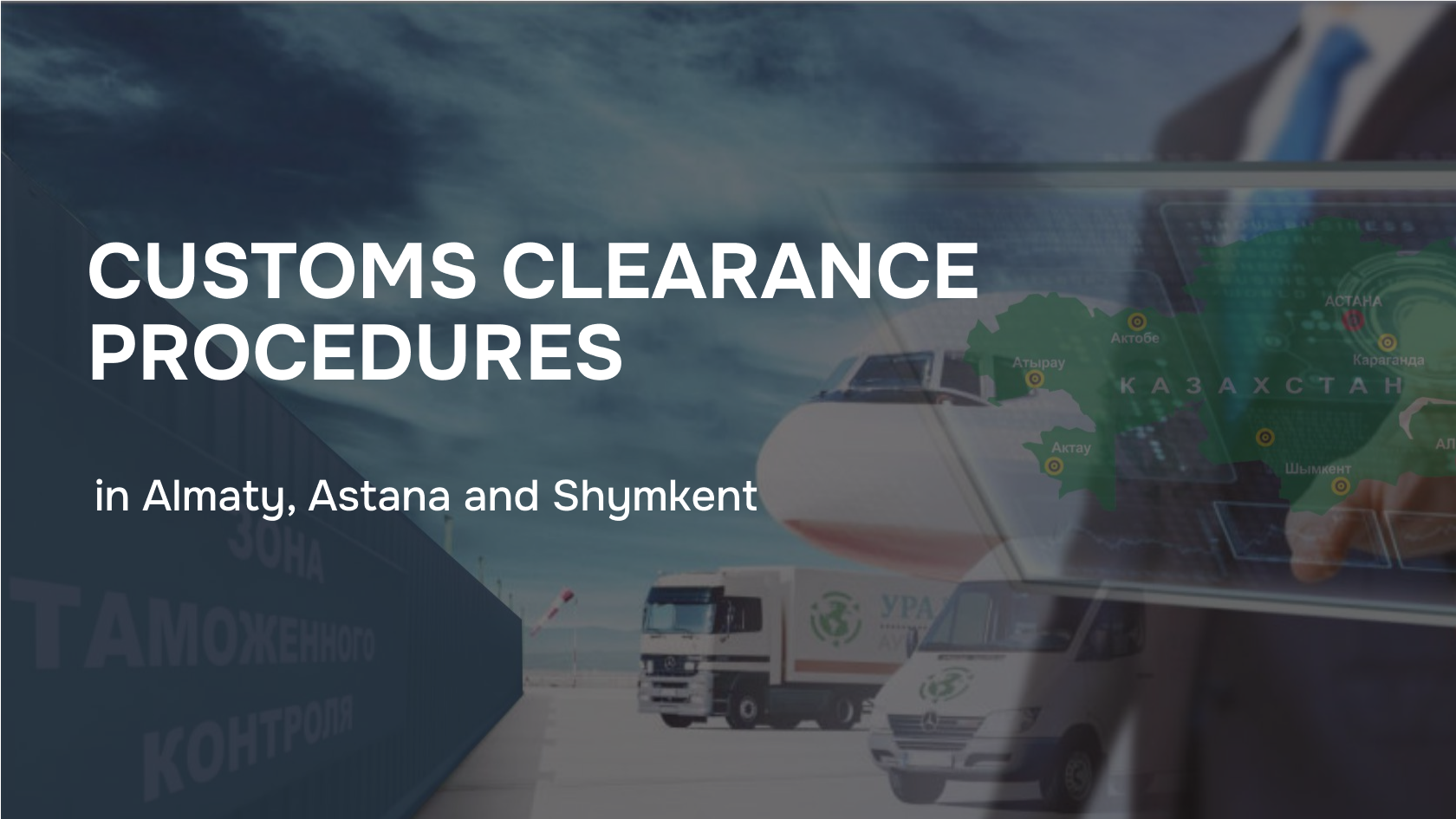
More and more companies in Kazakhstan are entering international markets. However, even within one country, customs clearance procedures can differ significantly depending on the region. In this article, we compare three key hubs — Almaty, Astana, and Shymkent — in terms of clearance speed, workload, inspector practices, and infrastructure availability.
Throughout Kazakhstan, the EAEU Customs Code, in force since 2018, applies uniformly. While procedures are standardized, their implementation varies due to:
- Level of digitalization
- Staff qualifications
- Organizational culture at customs posts
- Geographic location and logistics hub congestion
2. Almaty: Speed Through Experience and Overload
Key Features
- The country’s largest logistics hub
- Most experienced customs brokers and declarants
- Numerous terminals and bonded warehouses: Zhetysu, Adil, KAZTRANSIT, etc.
Advantages
- High professional competence
- Well-established clearance processes at bonded warehouses
- Strong support for digital systems (ASIKUD IS, TPET)
Disadvantages
- Overloaded central customs posts
- Queues for document checks and inspections
- Higher brokerage fees (10–15% more than in other regions)
Average Clearance Time
- With correct documentation: 1–2 working days
- With inspections or discrepancies: up to 4 working days
3. Astana: Order Without Always Being Flexible
Key Features
- Regularly updated internal regulations
- More formal approach by customs officers
- Lower workload compared to Almaty
Advantages
- Lower brokerage fees (on average 10–12% less)
- Greater transparency due to strict internal controls
- Strong focus on electronic document management
Disadvantages
- Less tolerance for minor discrepancies
- Delays in non-standard cases (repairs, returns, humanitarian shipments)
- Limited number of terminals and bonded warehouses (often state-owned)
Average Clearance Time
- Standard imports: 2–3 working days
- Problematic shipments: up to 5 working days
4. Shymkent: Flexibility in the South
Key Features
- Close to southern borders (Uzbekistan, Kyrgyzstan)
- Frequent clearance of goods from Asian markets
- Lower congestion and tariffs
Advantages
- More flexible approach to non-standard shipments
- Fast clearance for exports to Uzbekistan
- More lenient environment regarding non-tariff regulation (fewer inspections)
Disadvantages
- Shortage of qualified specialists — frequent broker errors
- Dependence on manual decisions by inspectors
- Unstable IT infrastructure (system outages occur)
Average Clearance Time
- Simple shipments: 1–1.5 days
- With inspections or inexperienced brokers: up to 3 days
5. Recommendations for Choosing a Clearance Region
- For complex imports (many items, multiple HS codes, non-tariff requirements), choose Almaty: more experts and faster dispute resolution.
- If transparent documentation, participation in government tenders, and a clean compliance history are critical, Astana is the best choice.
- For exports to Uzbekistan or Kyrgyzstan, humanitarian shipments, and urgent turnover, Shymkent offers advantages in speed and flexibility.
Customs clearance in Kazakhstan is not just about “crossing the border.” It is a strategic decision that affects delivery speed, costs, and company reputation. Understanding regional specifics helps businesses choose optimal routes and avoid delays.
ICS supports clients at all stages of foreign trade operations and helps select the customs post that ensures maximum efficiency with minimal risk.
ICS Logistics


