





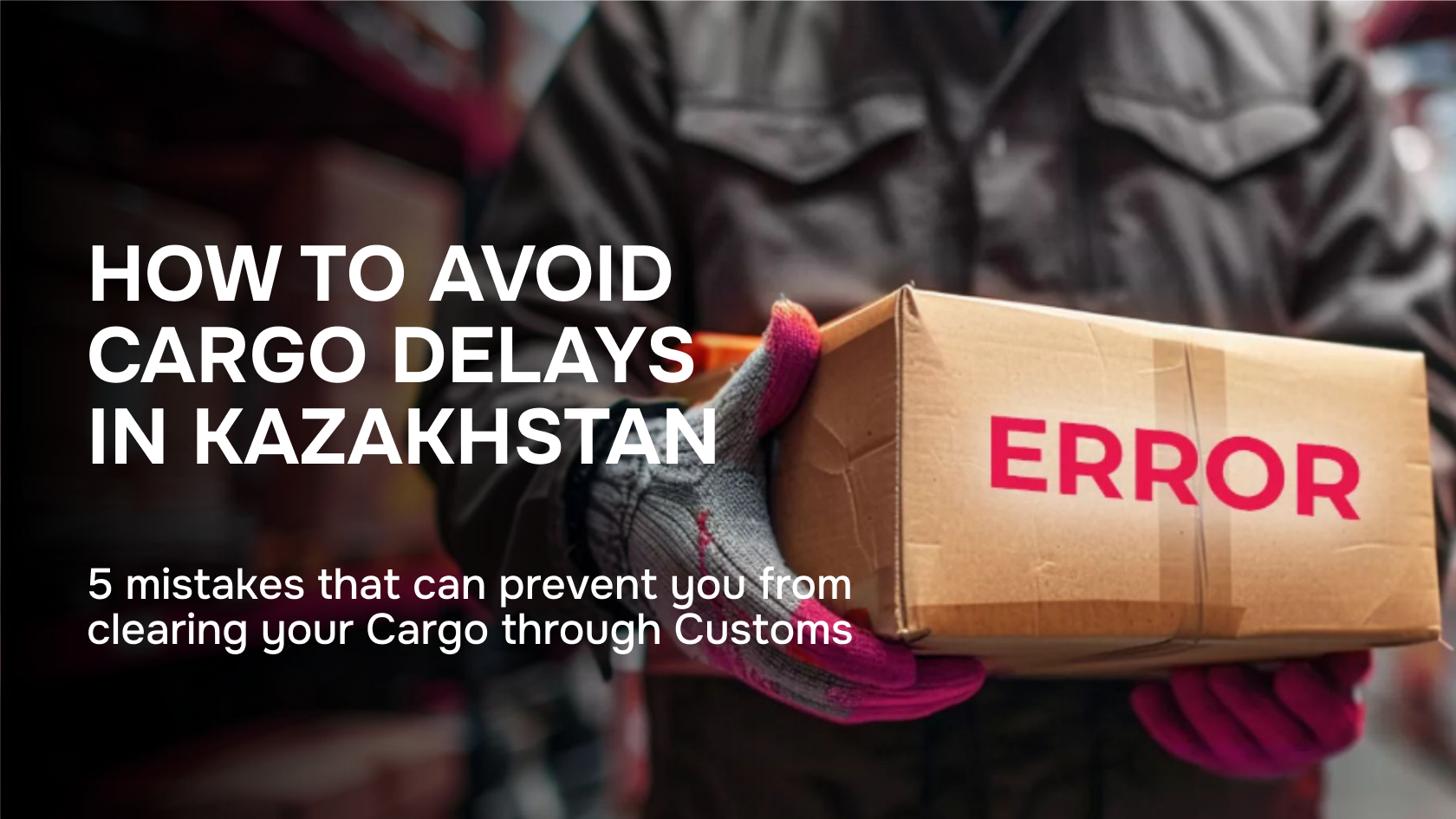
Certification and ST-1: How to Avoid Cargo Delays in Kazakhstan
Non-Tariff Regulation (Certification, Licenses, Import Permits)
In recent years, the volume of cargo passing through Kazakhstan has been growing rapidly. However, even the most well-designed logistics route can come to a standstill due to paperwork. One of the most common “bottlenecks” is the processing of non-tariff regulation documents (certificates, documents confirming country of origin, licenses, and import permits).
Let’s examine why these documents are important, what most often causes delays, and how to prevent your cargo from being stuck at the border.
What Is Non-Tariff Regulation?
Non-tariff regulation is a set of government measures affecting foreign economic activity that are not related to customs duties, but are aimed at restricting or controlling imports and exports. These include licensing, quotas, certification, sanitary and phytosanitary measures, embargoes, and bans.
How Non-Tariff Measures Affect Customs Clearance
- Processing delays — required certificates or licenses are missing.
- Refusal of release — goods may be denied clearance and subject to destruction due to import restrictions.
- Fines and administrative liability — violations of non-tariff regulations.
Main Causes of Delays
Errors in Document Preparation at the Shipping Stage
- Incorrect HS code. In most cases, the HS code determines which non-tariff measures apply to the product.
- Mismatch between the invoice and import permit (changes were made to the invoice but not to the authorization documents).
- Expired or invalid certificates of conformity.
- Frequent regulatory changes for certain product categories.
- Failure to monitor document validity and renewal deadlines.
Late Processing of Permits
- Many foreign trade participants do not consider that import permits may take up to 8 working days, and licenses up to 30 working days.
- If government authorities lack sufficient information to make a decision, an application may be rejected, and resubmission restarts the timeline.
How to Avoid Delays: 5 Practical Tips
1. Plan Documentation in Advance
Include non-tariff documentation as a separate stage in your logistics chain. All documents must be reviewed in advance based on HS codes and regulatory requirements before shipment.
2. Check Current Requirements
Customs regulations and technical standards in Kazakhstan may be updated quarterly. Verify requirements on the website of the Committee for Technical Regulation or work with reliable customs representatives.
3. Work with Accredited Organizations
Certificates must be issued by accredited bodies. Avoid unreliable intermediaries.
4. Coordinate Documents with the Consignee in Advance
If the shipment is destined for a large retail chain or a government contract, ensure that the recipient also reviews all documents before customs submission.
5. Automate Document Management
Modern logistics management systems allow you to track document status and receive timely notifications about renewals or corrections.
Conclusion
Non-tariff regulation is not a mere formality — it is a key element of the entire logistics chain. These documents affect not only the speed of customs clearance but also the overall cost of delivery. If you want to avoid unnecessary expenses and downtime, pay close attention to proper document management at the planning stage.
ICS Logistics


